
Many newborns have a preferred side or feel a little tight through the neck, chest or hips after birth and the first weeks of life. Gentle stretches and play can support your baby to get comfortable moving in every direction.
These are the stretches we like to teach at Form Chiropractic and we love supporting the families in our Stirling and Edgewater communities.
Before you start
Choose a time when baby is awake, calm and warm, on a firm, flat surface and not too tired or hungry.
Be slow and gentle. Never force a stretch and stop if baby cries, arches away or seems unwell.
Always support baby’s head and neck and move from the trunk and pelvis rather than pulling on the arms or legs.
These stretches don’t replace a check-up. If your baby has a head tilt or strong side preference, please have them assessed.
1. Guppy pose (neck and chest stretch)
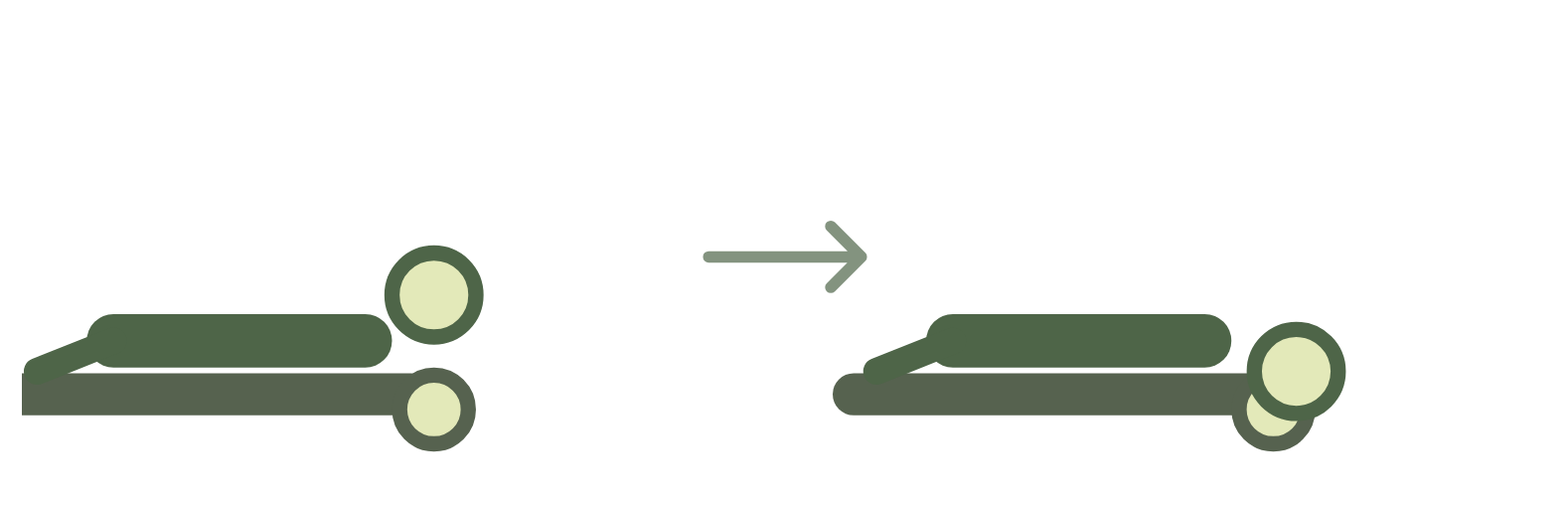
How: Support baby on their back along your forearm or across your lap, with their head held firmly in your hand. Let the head tilt back gently for a few slow breaths, then bring it back up slowly with the head still supported.
Why: Gently stretches the muscles at the front of the neck and chest, which can feel tight in some newborns.
Learn this one in clinic first. It isn’t right for every baby, so we check baby and show you the safest way.
2. Cross lateral X stretch
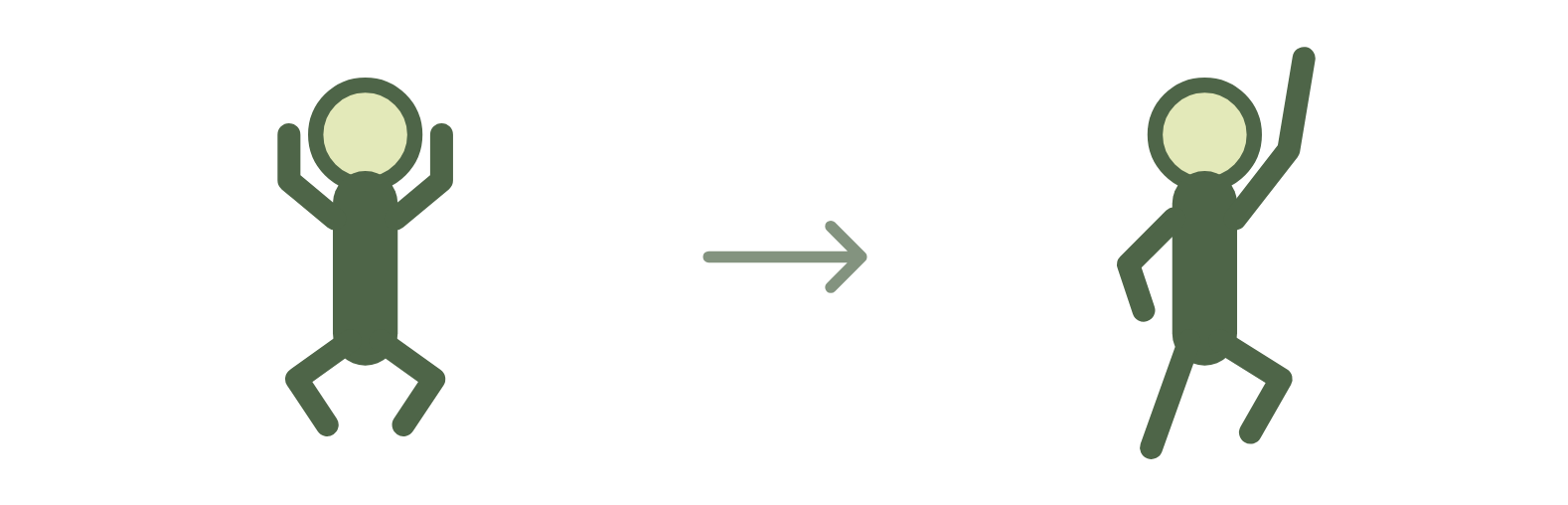
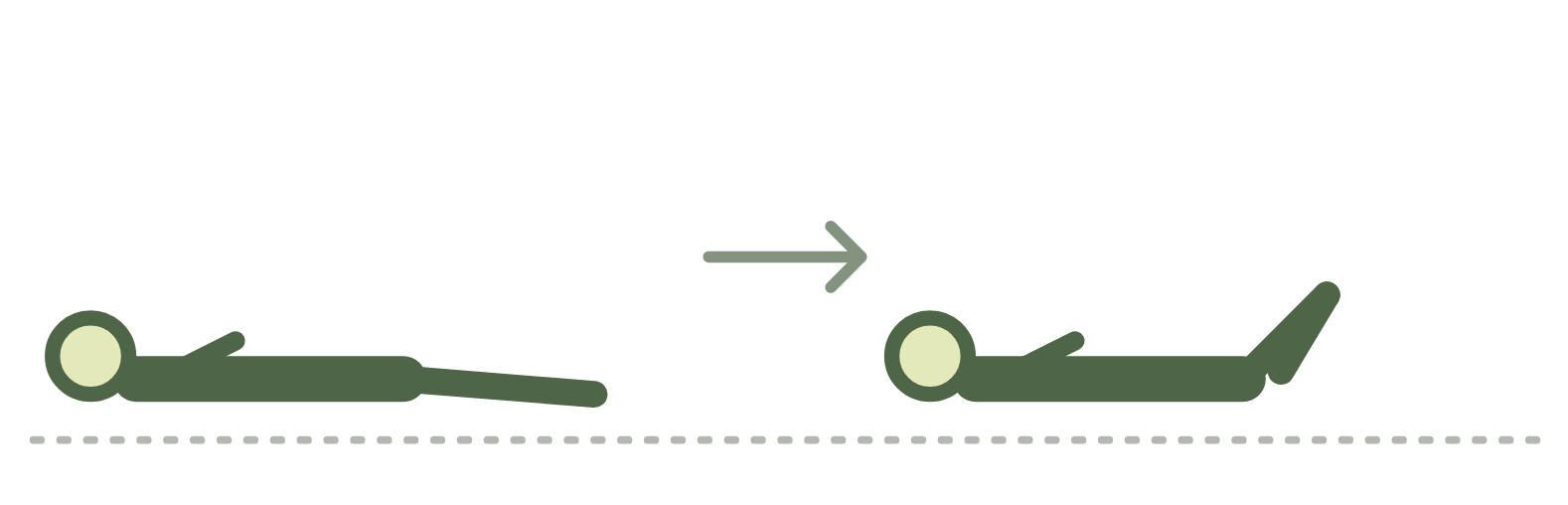
How: With baby on their back, gently stretch one arm overhead and the opposite leg long, like a soft X. Hold for a moment, then switch to the other arm and leg.
Why: Encourages movement across the middle of the body, which supports the cross-body patterns used for rolling and crawling.
3. Hip rolls
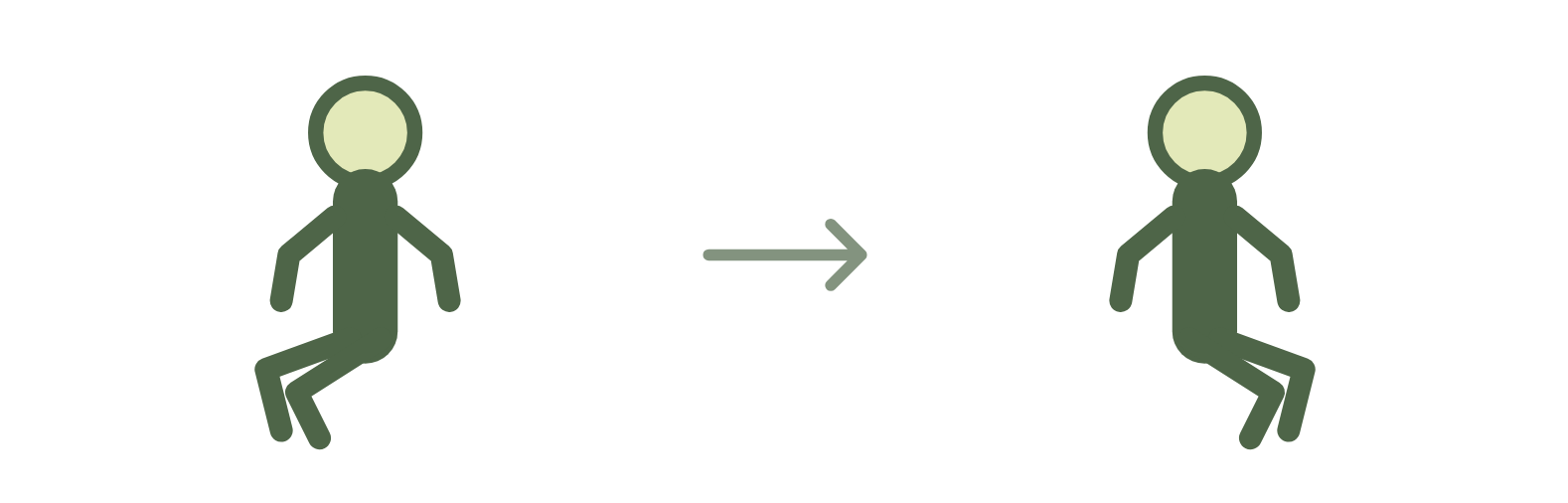
How: With baby on their back, bend both knees up. Hold the knees together with the pelvis lightly supported and gently roll them a few centimetres side to side, like a windscreen wiper.
Why: Encourages gentle movement through the hips, pelvis and lower back, and many babies find it soothing.
4. Tummy time on a towel, fitball, arm or chest
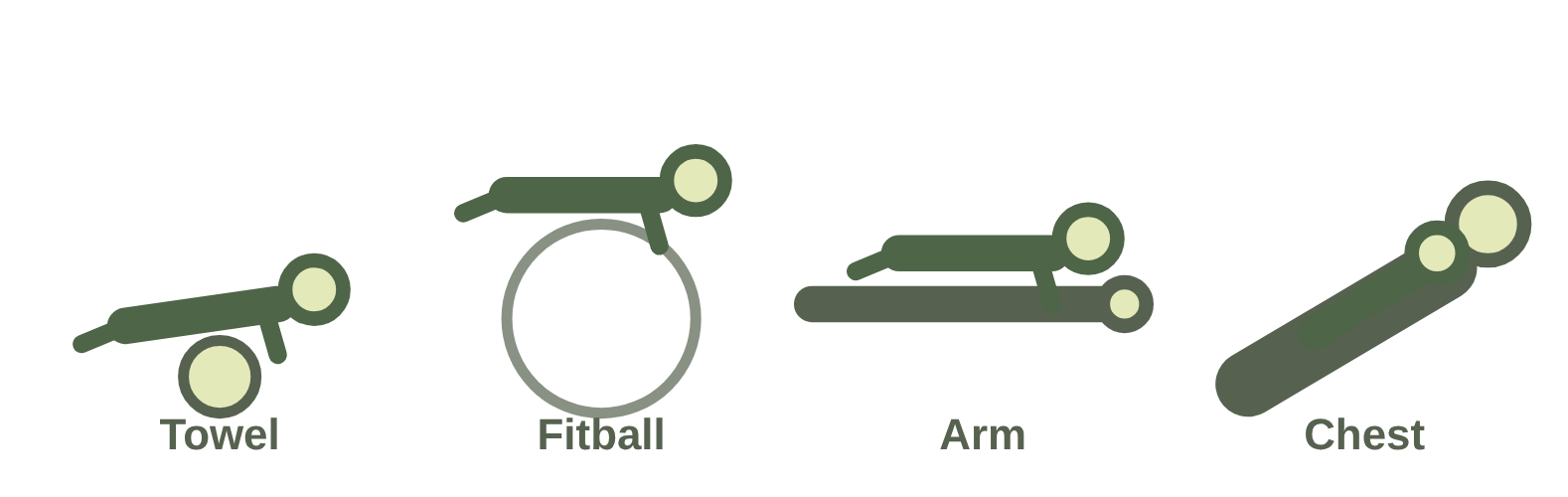
How: Start from birth with a few minutes, a few times a day, only when baby is awake and supervised. Build up as baby gets stronger.
Towel: a rolled towel under baby’s chest and armpits, with arms forward over it, lifts the chest slightly.
Fitball: hold baby firmly across the ball and rock it gently forward and back. Keep a firm hold at all times.
Arm: lay baby tummy-down along your forearm, supporting their head and chest.
Chest: recline and rest baby tummy down on your chest, face to face, with your hands on their back.
Why: Builds strength in the neck, shoulders and back, and helps protect baby’s head shape.
5. Knees-to-chest hug
How: With baby on their back, gently bring both knees towards the tummy and hold for a moment. Repeat slowly a few times, once baby has settled after a feed.
Why: A gentle, calming hip and tummy stretch that many babies enjoy.
6. Head-turning play
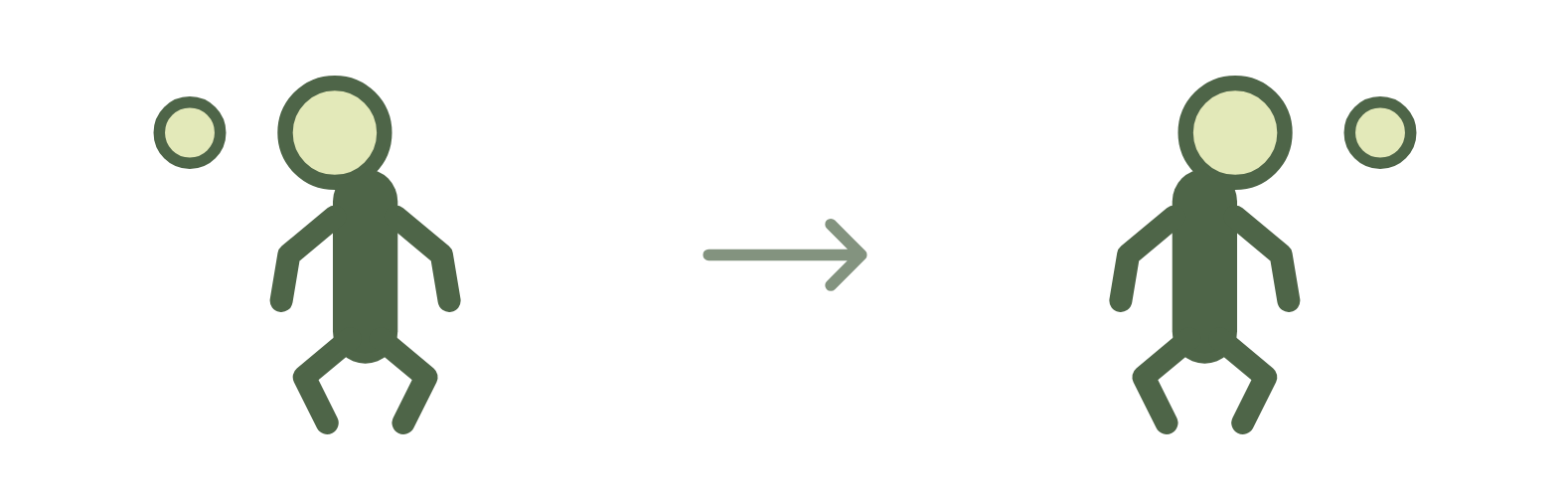
How: With baby on their back, hold a toy or your face to one side so baby turns to look, then bring it to the other side. Spend a little extra time on the side baby turns to less.
Why: Encourages baby to turn the head easily to both sides.
Switch it up: alternate the side you feed and carry baby, and change which end of the cot or change table baby faces, so baby is invited to look both ways.
Book a newborn visit online
Want these stretches shown hands-on? Book a newborn visit at our Stirling or Edgewater clinic.
This post is for educational purposes only and is not a substitute for advice from your health practitioner. Please speak with your GP, child health nurse or other health practitioner about any concerns about your baby’s health or development.